If your mom has started skipping showers or your dad is wearing the same shirt three days in a row, you’ve probably wondered what kind of help is out there. Personal care at home is the hands-on, everyday support that helps an older adult stay clean, dressed, fed and safe in their own house. It isn’t medical care, and it doesn’t require a nurse at every visit. It’s the kind of help a caring family member would give, delivered by a trained caregiver who shows up on a regular schedule.
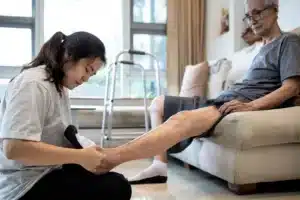
The everyday tasks caregivers help with
Geriatric professionals often talk about “activities of daily living,” a list that traces back to Dr. Sidney Katz’s research in the 1960s. These are the basic things a person has to do to take care of their body. When someone starts struggling with even one or two of them, it’s usually time to bring in support. A personal care aide can help with:
- Bathing and showering, including getting safely in and out of the tub
- Dressing, picking weather-appropriate clothes, and managing buttons, zippers and compression socks
- Toileting and incontinence care, handled privately and without fuss
- Grooming such as hair care, shaving, oral care and nail filing
- Moving from bed to chair, walking with a walker, and repositioning in bed
- Eating, from cutting food into small pieces to gentle encouragement when appetite is low
Many caregivers also help with what are called instrumental activities of daily living. Those are the tasks that keep a household running: cooking, light housekeeping, laundry, grocery runs and getting to appointments. Agencies vary in what they bundle together, so ask exactly what’s included in a visit.
What it doesn’t include
Personal care aides don’t change wound dressings, give injections or adjust medications. Those are skilled tasks that require a licensed nurse or therapist, usually through a home health agency and often under a doctor’s order. Most aides can give medication reminders, though, and that’s often what a parent really needs. Someone says “it’s 8 o’clock, time for your pills” and makes sure the bottle actually gets opened. State rules on medication help differ, so check with the agency you’re considering.
Why families choose care at home
AARP has asked older adults for years where they want to live as they age, and the answer barely changes. In its 2021 Home and Community Preferences survey, 77 percent of adults 50 and older said they want to stay in their homes for the long term. Familiar rooms, a favorite chair, the neighbor who waves every morning. Those things matter, especially for a parent with early memory changes, where a move can be disorienting and upsetting.
Care at home is also flexible in a way most facilities aren’t. You can start with a few hours twice a week and add time as needs change. Some families begin with a morning visit to help with a shower and breakfast, then add evening visits later. Others need overnight or 24-hour support for a few weeks after a hospital stay, then scale back once their parent is stronger.
What a good first visit looks like
Most reputable agencies start with an in-home assessment, often done by a nurse or care manager. Expect them to walk through the house, ask about your parent’s routine, and talk with your parent directly, not just with you. It helps to have answers ready for questions like these:
- What time does Mom usually wake up, and what does her morning look like?Has she fallen in the last year, or come close?
- Are there foods she won’t eat, or a diet her doctor wants her on?
- What does she enjoy talking about?
That last question matters more than it sounds. A caregiver who knows your dad spent 30 years as a machinist, or that your mom still follows every ballgame on the radio, has a natural way to connect. Bathing someone is personal. Trust comes faster when the conversation starts with something familiar.
Keeping dignity at the center
For many parents, the hardest part isn’t the physical decline. It’s the feeling of losing control. Good caregivers understand this. They’ll ask before they help, let your mom choose her own outfit, and step out of the room when she can manage on her own. Personal care at home works best when the caregiver does as little as possible and as much as necessary, so your parent keeps doing everything they still can for as long as they can.
A starting point for your family
You don’t need to have it all figured out before you call an agency. Many adult children reach out after a scare, like a fall or a hospital discharge, and feel like they’re already behind. A good agency will meet you where you are. Write down what you’ve noticed, what worries you most, and what your parent says they want. That short list is enough to start a real conversation about personal care at home and what it could look like for your family.
If you or an aging loved-one is considering personal care at home in Red Bank, NJ please contact the caring staff at Expert Home Care today at. (732) 937-5320

We have been providing Home Health Care to New Jersey families since 1985, and have grown to become one of the largest licensed providers of Live-In Home Care in the upper New Jersey area. Our many years of New Jersey home care experience has produced a company that over 8,000 clients have come to rely on confidently, for help.
- What Personal Care Really Includes for an Aging Parent - October 5, 2026
- What Does a Hospice Nurse Do at Home, and How Does Home Care Support the Family? - September 16, 2026
- Why Home Care Assistance Helps Ease Loneliness for Seniors Aging in Place - September 3, 2026