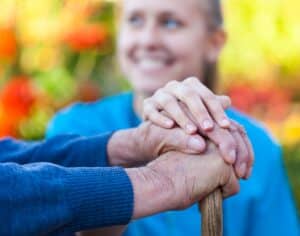
Grandparenting: Fun Activities for Grandchildren and Grandparents

February 5th, 2010

NJ Senior Living & Lifestyle

Maintaining close relationships with grandchildren is important for the emotional health and well being of seniors.  Here are some things to consider whether you live close or far away:

At home:

  • Play dress-up. Go through your closet and set aside unused clothes for pretend play – the more vintage and outlandish, the better. Add shoes, handbags and costume jewelry, too. Let your grandchild choose clothes for both of you to wear.
  • Do a puzzle. Pick out a jigsaw puzzle together at the store, and when it’s done, use puzzle glue to create a keepsake the child can hang on his or her bedroom wall.
  • Make portraits of each other. Use crayons or paints to tap into your inner artists. Display your grandchild’s artwork at your house, and let him or her take home your masterpiece.
  • Cook or bake together. Even very young children can follow simple directions and help mix batter or shape dough. Keep track of what you make together in a blank journal. This is a great way to pass on heirloom family recipes.
  • Work in the garden. Start in the cooler months by planning what you’ll grow, and map out where things will go in the garden. Come spring, shop together for seeds and supplies and make a weekly date to plant, prune and harvest.
  • Share a special hobby. Whether you knit, collect coins, go fishing or play cards, involve your grandchild in these activities. They are a wonderful opportunity for learning.

Excursions:

  • Take a class together. With parental permission, sign up for a gym, music or art class with your grandchild. Some towns even offer free classes like this for kids and grownups to do together.
  • Take in a show. Keep an eye out for local productions of kid-friendly productions. Your grandchild’s favorite television character may even be coming to a stage near you.
  • Visit the park. Go to the playground or just take a leisurely nature walk.
  • Head to a local museum. It doesn’t even have to be a special one just for kids – although those are certainly fun. Children of all ages can benefit from a trip to an art museum or historical center. Find out in advance if they hold special activities for kids.
  • Spend the day at a farm. Kids will love picking their own produce and visiting with any resident animals.

When you live far away:

Many families live far apart. If you aren’t close enough for in-person bonding, try these easy high-tech ways to stay close to grandkids:

  • Try video chat. Get help setting up a webcam so you can have live video conferences with your grandchildren. It’s a fun way to connect in a more personal way instead of using the phone.
  • Send a DVD bedtime story. Record yourself reading your grandchild’s favorite book. They can watch it at home and read along before bed.
  • Start a photo scavenger hunt. Pick a theme each week, like animals, food or even a certain shape or color. You and your grandchild can take pictures (film or digital) of things relating to that theme. Then, share the images via e-mail or regular mail and collect them in a photo album. Bring the albums when you do get together so you can talk about the pictures.

Posted by: Frank Esposito, VP Expert Home Care.  New Jersey’s Expert Home Care provides professional, dependable home health care and companion care for NJ elderly, helping them with their daily living activities since 1984. Please call us toll free at 800-848-2336 when you have home care related questions or need assistance for a loved one. Get a Free Home Care Assessment (a $375 value!) when you mention this post.

15 Fitness Tips for NJ Seniors

January 31st, 2010

Senior Health & Fitness

Exercise can help anyone, regardless of age.  Here are some things to consider in helping a senior get into shape:

1. Get a checkup
Meet with your healthcare provider to see whether you will need to consider any special modifications before starting an exercise program. If necessary, get a clearance to begin a program.

2. Know your options
Before starting any program, examine your options. Pick a program you know you will enjoy. Some individuals like to go to a gym and do a structured workout, while others enjoy a neighborhood walking club. Either will help improve your fitness, ability to function and quality of life, provided you do it regularly.

3. Determine your participation style
Would you prefer taking a class or going solo? Are you a morning or night person? Does indoor fitness appeal to you, or would you prefer to exercise outside? Could you dedicate large blocks of time to physical activity or could you fit only shorter, more frequent intervals into your schedule?

4. Start slowly
Many people are eager to get started and sometimes overdo it, which usually makes them sore and can force them to spend time on the sidelines. Start slowly and build up over time.

5. Make a date
Find a buddy to exercise with you and keep you motivated. Whether it’s a friend to walk with in your neighborhood or a personal trainer in a gym, that appointment makes it more likely you will do the walk or workout.

6. Set specific short and long-term goals
Make goals as specific as possible. For example, on Monday, Wednesday and Friday, do a brisk, 10-minute walk in the morning before your shower, at lunch time and after dinner. Being specific means you are planning for activity in your day and making it a priority. Is there an activity you would like to do that you feel physically incapable of at the moment, but may be able to do with a little effort? Set a long-term goal to help you do it.

7. Make a list
List the benefits you expect from your physical activity program, then make sure these are realistic and reasonable. Many people expect enormous benefits, such as losing 30 pounds in a month. When these benefits don’t materialize, they feel disappointed and relapse because they feel like they have failed. Try to make the benefits about things you can control, rather than an outcome (such as weight). Build your list of benefits as you increase your physical activity.

8. Make another list
List all the reasons to be physically active – things like decreasing stress or depression, stronger bones, greater strength and flexibility to help maintain independence, increased energy, better sleep, etc. Keep this list in a visible place as a daily reminder of the long-term rewards.

9. Invest in your health
Do you want to spend money on joining a program? Or would you prefer to develop a program you can do for little cost, using objects or props in your home or office?

10. Check out the facility you want to join
Does the facility feel friendly? Can you change clothes comfortably? If the facility has a pool, what is its water temperature? About 84-86°F is comfortable for moderate to vigorous activity, while warmer temperatures are nice for range-of-motion and relaxation programs. Does the pool or workout room have an easy and safe exit/entry? Ask to try various programs, so you can decide which program feels the most comfortable and fun.

11. Check out the staff
Are the people who work in the facility friendly and interested in you? Are they qualified to work with older adults? Do they offer pre-exercise fitness assessments, with periodic updates? Are they interested in helping you learn how to modify exercises to fit your fitness level and conditions? Do they encourage social interaction? Talk to mature adults who currently participate in their programs to build a complete picture.

12. Make choices
To move forward, we need to leave some things behind. What are you willing to give up to make room for exercise? Bad habits? Nonproductive activities? Non-beneficial relationships?

13. Every step counts
Wear a step counter throughout the day to count how many steps you take. Less active people tend to take about 4,000 steps or fewer per day. Aim to do 250 to 1,000 additional steps of brisk walking, until you reach 8,000 to 10,000 steps in a day.

14. Keep moving all the time
Stretch, walk, march in place, stand and sit as many times as possible when you are talking on the phone or during TV commercials.

15. Do your own house and yard work

One of the best ways to stay in shape is to work around the home.

Posted by: Frank Esposito, VP Expert Home Care.  New Jersey’s Expert Home Care provides professional, dependable home health care and companion care for NJ elderly, helping them with their daily living activities since 1984. Please call us toll free at 800-848-2336 when you have home care related questions or need assistance for a loved one. Get a Free Home Care Assessment (a $375 value!) when you mention this post.

Home Safety for Seniors: 19 Tips

January 30th, 2010

Home safety tips for seniors

Most accidents occur in the home.  What can you do to protect an elderly loved one from getting hurt?  Here are some steps to follow:

· Keep outdoor steps and walkways in good condition and clear of debris.

· Illuminate all stairways and hallways and provide light switches at both ends.

· Use nightlights or bedside remote controlled switches.

· Provide handrails in hallways and stairways.

· Keep a sturdy nightstand next to the bed so glasses and other personal items are within reach.

· Put felt or soft material over sharp edges and corners of furniture such as nightstands, tables and shelves.

· Tack down the edges of carpets and rugs; remove throw rugs that slide.

· Keep pathways clear of furniture and other objects.

· Provide handrails in the bathroom (especially near the toilet) and use non-skid strips in bathtubs.

· Use a shower seat and shower hose for those unable to stand in the shower.

· Avoid using bath oils or lotions in the bathtub.

· Use kitchen appliances with thermostats and timers. The elderly find appliances with signal lights and buzzers easier to use.

· Use fireproof curtains on windows near the stove.

· Clearly mark the “off” position on stoves and ranges so a person with diminished eyesight can immediately tell if the element is off.

· Set water heater thermostats or faucets so water does not scald the skin.

· Install smoke detectors in the kitchen and throughout the rest of the house.

· Keep a fire extinguisher handy and know how to use it.

· Arrange frequently used kitchen items in an easy-to-reach cabinet.

· Install one good lock that can be opened easily from the inside.

Posted by: Frank Esposito, VP Expert Home Care.  New Jersey’s Expert Home Care provides professional, dependable home health care and companion care for NJ elderly, helping them with their daily living activities since 1984. Please call us toll free at 800-848-2336 when you have home care related questions or need assistance for a loved one. Get a Free Home Care Assessment (a $375 value!) when you mention this post.

Elderly Hearing Problems: How to Communicate with Your Doctor

January 28th, 2010

NJ Senior Health

Life can become increasingly difficult for those seniors who suffer from a hearing problem.  This can be particularly distressing if it impinges on your communicating with your physician.  Here are some things to consider:

  • Bring an interpreter. If you prefer to have an interpreter, have a friend or relative accompany you. You should ask someone that you are comfortable with because your doctor may need to ask you personal questions.
  • Don’t be shy. You may feel awkward saying that you didn’t understand what was said. Sometimes you might pretend to hear something you didn’t. You may feel that it isn’t right to interrupt your doctor. But to get good medical care, make sure you fully understand what is being said, even if it means asking the doctor to repeat him or herself.
  • Ask for a well-lit room, without glare. It will also help if the room has curtains and carpets. Ask the doctor to speak clearly, to face you, to keep his or her mouth visible, and to repeat and rephrase as needed.
  • Ask for quiet. If you need a procedure or exam, complete your conversation in a quieter room before moving to the exam room.
  • Ask for details. If your doctor will be wearing a face mask for a procedure, ask to be told what you need to know ahead of time.
  • If your speech is difficult for others to understand, ask the doctor to be patient. Take your time. Feel free to write or type on a computer or other keyboard if you prefer.
  • If your doctor uses a word that you don’t know, ask for the word to be written down and explained clearly. If you need it, ask for a drawing or a model.
  • Don’t be afraid that you’re bothering the doctor with these questions. If it would help you, ask for written information about your condition, your medicines or your treatment choices.

Posted by: Frank Esposito, VP Expert Home Care.  New Jersey’s Expert Home Care provides professional, dependable home health care and companion care for NJ elderly, helping them with their daily living activities since 1984. Please call us toll free at 800-848-2336 when you have home care related questions or need assistance for a loved one. Get a Free Home Care Assessment (a $375 value!) when you mention this post.

Elderly Exercise: It’s Never Too Late

January 19th, 2010

NJ Senior Health & Fitness

Physical activity is good for people at any age. Among elderly adults, falls are a common cause of injury and disability. Physical activity makes your bones and muscles stronger. When your muscles are strong, you are less likely to fall. If you do fall, strong bones are less likely to break.

Regular physical activity is good for your brain too. Recent studies have shown that people who follow simple exercises (such as, walking) on a regular basis are better able to make decisions than people who aren’t physically active.

From diabetes to heart disease, many chronic (ongoing) health problems are improved by even moderate amounts of physical activity. For people who have these conditions, a lack of exercise is a bigger risk than an exercise-related injury.

Talk with your doctor about your plans before you get started. Your muscles will very likely be sore when you first increase your physical activity, but don’t use that a reason to stop. Mild soreness will go away in a few days as you become more used to the physical activity.

Many senior citizens find walking to be one of the easiest activities to do. Doctors recommend at least 30 minutes of physical activity on most days of the week, but you don’t have to do all 30 minutes at once. Try walking for 15 minutes twice each day or for 10 minutes 3 times each day.

Many older people say that exercising with a partner is the best motivation to stick with it. You can start or join a walking group with friends or neighbors.  Alternatives to walking include gardening, dancing, or swimming. Your choice of activity can be both enjoyable and good for you.

Posted by: Frank Esposito, Vice President of Expert Home Care.  New Jersey’s Expert Home Care provides professional and reliable home health care and companion care for NJ elderly, helping them with their daily living activities since 1984. Please call us toll free at 800-848-2336 when you have home care related questions or need assistance for a loved one. Get a Free Home Care Assessment (a $375 value!) when you mention this post.

Prostate Cancer – 11 Signs & Symptoms

January 13th, 2010

NJ Senior Health

Prostate cancer is the most common type of cancer found in American men, other than skin cancer.

Although men of any age can get prostate cancer, it is found most often in men over 65 –

in fact, more than 8 of 10 men with prostate cancer are over the age of 65.

For unknown reasons, African-American men are at higher risk than Caucasian men. Men with a family history of prostate cancer are at higher risk, too. In this case, family history means that your father or a brother had prostate cancer.  Men who are obese and eat a diet high in fat are also at a higher risk for prostate cancer.

Possible Symptoms of Prostate Cancer

Prostate cancer, especially in its early stages, often does not have any symptoms. Symptoms are more likely to appear as the cancer grows.

Call your doctor if you have any of these symptoms:

  • Difficulty starting to urinate
  • Less force to the stream of urine
  • Dribbling after you finish urinating
  • Frequent urination, especially at night
  • Blood or pus in the urine
  • Blood in the semen
  • Pain while urinating
  • Pain with ejaculation
  • Hip and lower back pain that does not go away over time
  • Pain in the lower part of your pelvis
  • Unintended weight loss and/or loss of appetite

Posted by: Frank Esposito, Vice President of Expert Home Care.  New Jersey’s Expert Home Care provides professional and reliable home health care and companion care for NJ elderly, helping them with their daily living activities since 1984. Please call us toll free at 800-848-2336 when you have home care related questions or need assistance for a loved one. Get a Free Home Care Assessment (a $375 value!) when you mention this post.

Planning a Healthy Meal for Your Senior

January 8th, 2010

Senior Health & Lifestyle

What’s for dinner?  Here are a few things to consider when planning a menu for a senior:

Easy to chew and swallow: Our digestive processes changes with age and seniors tend to produce 30% less saliva then they did while younger. Foods that are dry can be difficult to chew and swallow. Many senior citizens wear dentures, so tough meats and raw vegetables can be difficult to chew. When planning a meal, it’s best to select softer foods that are easy to eat.

Lower in salt: Most seniors have salt restrictions to reduce the risk of water retention and high blood pressure. Cooking with low or no salt is best, while processed foods and salted meats should also be avoided.

Make it tasty: Prescription medications can affect the flavor of foods and as we age our sense of smell and taste also changes. Foods that once were tasty may taste bland to the elderly. When preparing a meal for a senior adding savory (but not spicy) seasonings will make a meal taste more flavorful.

Use recipes with lots of nutrition: Most seniors tend to have smaller appetites which can contribute to weight loss. Instead of preparing light & lean meals, meals that are high in nutrition and calories can help a senior maintain a healthy weight.

Ask: Sometimes the simplest way of planning a meal for a senior is to ask him/her what they might enjoy eating. Most seniors know what kinds of foods are agreeable and what might lead to indigestion. Instead of deciding on your own what type of entree to prepare for a senior, it’s really best to ask first what he or she might prefer eating.

Posted by: Frank Esposito, Vice President of Expert Home Care.  New Jersey’s Expert Home Care provides professional and reliable home health care and companion care for NJ elderly, helping them with their daily living activities since 1984. Please call us toll free at 800-848-2336 when you have home care related questions or need assistance for a loved one. Get a Free Home Care Assessment (a $375 value!) when you mention this post.

Tips for the Elderly to Stay Warm in Winter

January 6th, 2010

NJ Senior Tips

Winter is a difficult time for cold area people – most especially for elderly seniors.  Here are some things to consider (while keeping costs down):

  • Create a “warm room” in areas where you frequently spend time. Turn down thermostats in closed-off rooms, but remember during frigid weather to provide enough heat to rooms to prevent frozen water pipes.
  • Try out different furniture arrangements to move the furniture you use most away from drafts. You might enjoy your favorite chair more if it’s placed in the warmest spot in a room.
  • Moving your bedroom to a south facing room may allow you to take advantage of  solar warmth and light
  • When getting ready for bed, use a hot water bottle to warm up your bed and consider adding an extra blanket.
  • Reverse the spin on your ceiling fan and set it on low to re-circulate warm air down into the living area. Many ceiling fans have a reverse switch on them that will push down the warmer air on the ceiling to help you stay warm.
  • Wear several layers of thin clothing (wool, silk, or polypropylene inner layers will hold more body heat than cotton) indoors, which will serve to help insulate your body by trapping warmth in the air pockets between the layers. Multiple thin layers that can be easily removed also help prevent overheating. Wearing appropriate clothing to bed to maintain body temperature while you sleep is just as important as dressing for the outdoors.
  • Use a throw blanket to place across your lap or to cover your feet and shoulders to help you stay warm. Throws and shawls made of fleece are particularly useful because they are not only warm, but also lightweight and less bulky than other fabrics.
  • Wear fleece slippers around the house to help keep your feet warm. Look for non-skid bottoms to help prevent slips and falls. Wear a warm, comfortable hat to keep your head warm.
  • Use insulated drapes and close them at night and on cloudy days to reduce heat loss through windows.
  • Prune any trees or shrubs near windows that block the sun.
  • Block drafts blowing into your home through mail slots, floorboards, and electrical outlets or the damper on your fireplace when not in use. If you have an attached garage, keep your garage door closed.
  • Vacuum heat registers and check to make sure registers, radiators and cold air returns aren’t blocked by furniture or drapes. Air must circulate through and around them for full efficiency.
  • Investigate daytime activities in heated buildings such as senior centers, libraries, churches, and adult day programs, or look for opportunities to volunteer in your community.
  • Light cleaning, walking on a treadmill, playing with a pet and other simple exercise activities can increase circulation and make you feel warmer without undue strain.
  • Hot meals and beverages can provide both warmth and energy during the cold winter months. A cup of your favorite hot beverage will even do double duty, warming the hands as you hold it and the body as you drink it.

Posted by: Frank Esposito, Vice President of Expert Home Care.  New Jersey’s Expert Home Care provides professional and reliable home health care and companion care for NJ elderly, helping them with their daily living activities since 1984. Please call us toll free at 800-848-2336 when you have home care related questions or need assistance for a loved one. Get a Free Home Care Assessment (a $375 value!) when you mention this post.

New Years Resolutions for Senior Citizens

December 31st, 2009

NJ Senior News & Resources

What can New Jersey seniors do to make the New Year a good one?  Consider the following:

Shared experiences and the resulting wisdom
The younger generations need the benefit of the wisdom elderly citizens have acquired throughout their lives. By sharing their wisdom with young people, senior citizens become a benefit to the community.  They need it and local seniors will enjoy feeling needed.

Volunteer
Find an organization to support and volunteer to help them. Doing so will not only make a senior citizen’s golden years meaningful, but it will also bring them happiness.

Keep using all faculties
Look for ways for seniors to continue using all of their faculties (physical, mental and spiritual) so they do not suffer from lack of use. Playing games, engaging in social activities, prayer, meditation and exercise are perfect for strengthening these faculties.

Maintain good health
Maintain your health by exercising regularly, and making adjustments to lifestyle and diet. Talk to your doctor about reducing medications to the least amount and strength possible.

Enjoy the arts
Do you enjoy the fine arts, such as music,  visual arts, performing arts etc. that New Jersey has to offer? This is an active rather than passive interaction like watching run-of-the-mill programs on television.

Posted by: Frank Esposito, Vice President of Expert Home Care.  New Jersey’s Expert Home Care provides professional and reliable home health care and companion care for NJ elderly, helping them with their daily living activities since 1984. Please call us toll free at 800-848-2336 when you have home care related questions or need assistance for a loved one. Get a Free Home Care Assessment (a $375 value!) when you mention this post.

Healthy Flying for Seniors – 7 Tips

December 23rd, 2009

NJ Senior Health

Plan to travel by plane this winter?  If so, here are a few things to consider:

  1. Wash your hands. Under all circumstances it’s important to wash your hands regularly – this is more important when you’re in any public place. You might also carry a small bottle of hand-sanitizing gel for times when you can’t get to a sink, and sanitize your hands more frequently when traveling by plane (train or bus).
  2. Avoid touching your face. This is a good idea in normal circumstances, but especially on a plane, where you don’t know who sat in the seat before you. Never touch your face, mouth, or nose with unwashed hands and always wash your hands thoroughly after performing any personal hygiene task.
  3. Switch your seat if possible. If your flight isn’t packed, look for a seat by yourself, away from other passengers, to limit your contact with germs. It might also be a good idea for you to wipe down your seat, and anything else you touch on the plane, with an antibacterial wipe.
  4. Consider a mask. If you or someone you’re traveling with is sick and coughing, you might want to bring a surgical mask to prevent the spread of germs to other people on the plane.
  5. Protect against “airplane air.” Air inside the airplane is fairly dry, so stay hydrated by drinking plenty of water and/or juices. Apply moisturizer to your skin if it becomes uncomfortably dry, and protect lips against chapping, too, by using a medicated lip balm.
  6. Reduce your risk of a blood clot. Staying immobile for prolonged periods, such as on long flights, increases the risk of developing blood clots in your legs. You can minimize this possibility by getting up from your seat and walking about the cabin every 60 to 90 minutes. Drinking plenty of water and juices can also help. Avoid beverages that cause you to urinate excessively, such as alcohol and caffeinated drinks.
  7. Pack medications just in case. It’s a good idea to pack a few over-the-counter medications in case you do start to feel a little under the weather or show symptoms of an illness while traveling. These can come in handy if you begin feeling stuffy or feel a cold coming on.

Posted by: Frank Esposito, Vice President of Expert Home Care.  New Jersey’s Expert Home Care provides professional and reliable home health care and companion care for NJ elderly, helping them with their daily living activities since 1984. Please call us toll free at 800-848-2336 when you have home care related questions or need assistance for a loved one. Get a Free Home Care Assessment (a $375 value!) when you mention this post.